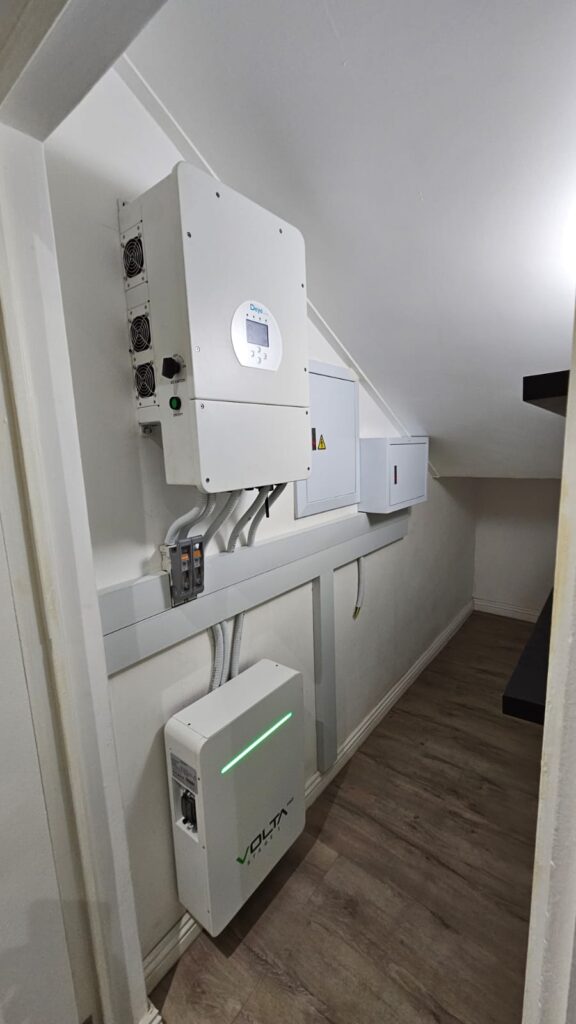
In an era where sustainable living and energy independence are becoming increasingly important, solar energy stands out as a beacon of hope. Solar installation systems have revolutionized the way we think about power generation, offering clean, renewable energy solutions that benefit both homeowners and businesses alike. If you’re considering making the switch to solar, here’s everything you need to know about solar installation systems.
NO MORE LOADSHEDDING…
Understanding Solar Installation Systems:
Solar installation systems, commonly referred to as solar photovoltaic (PV) systems, harness sunlight and convert it into electricity using photovoltaic panels. These systems consist of several components that work together to capture, convert, and distribute solar energy efficiently:
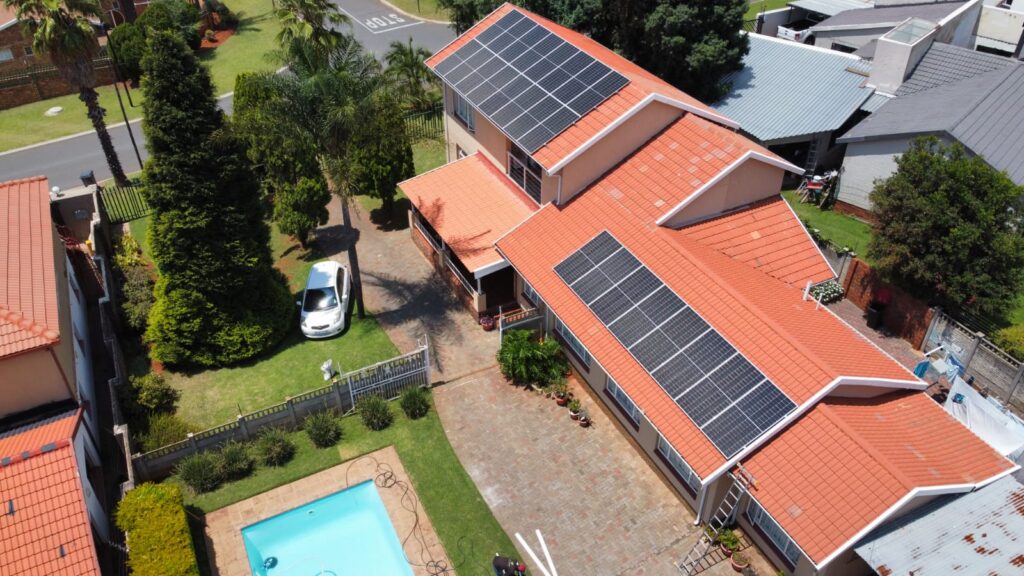
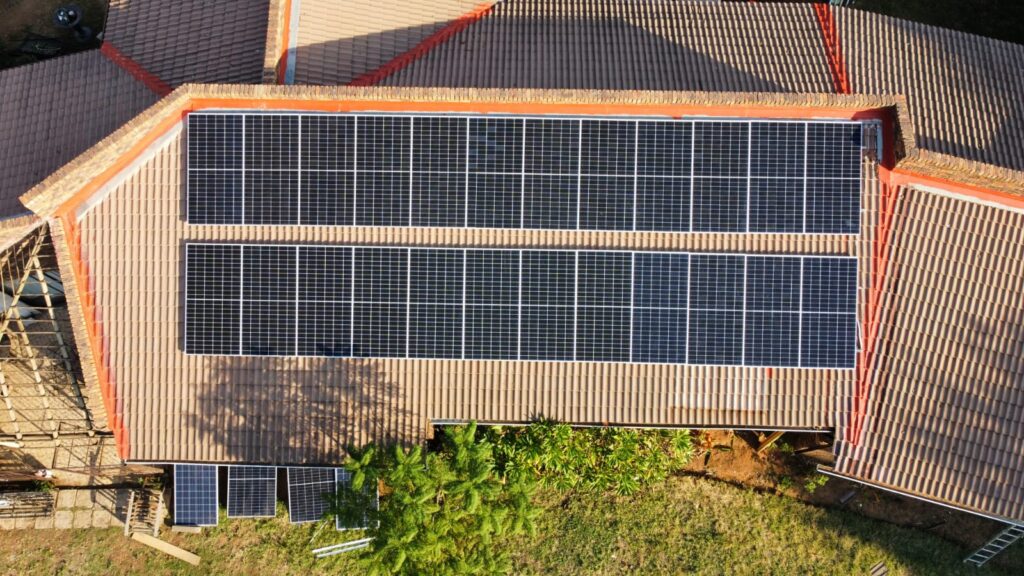
1. Solar Panels: These are the heart of the system, comprising arrays of photovoltaic cells that convert sunlight into direct current (DC) electricity.
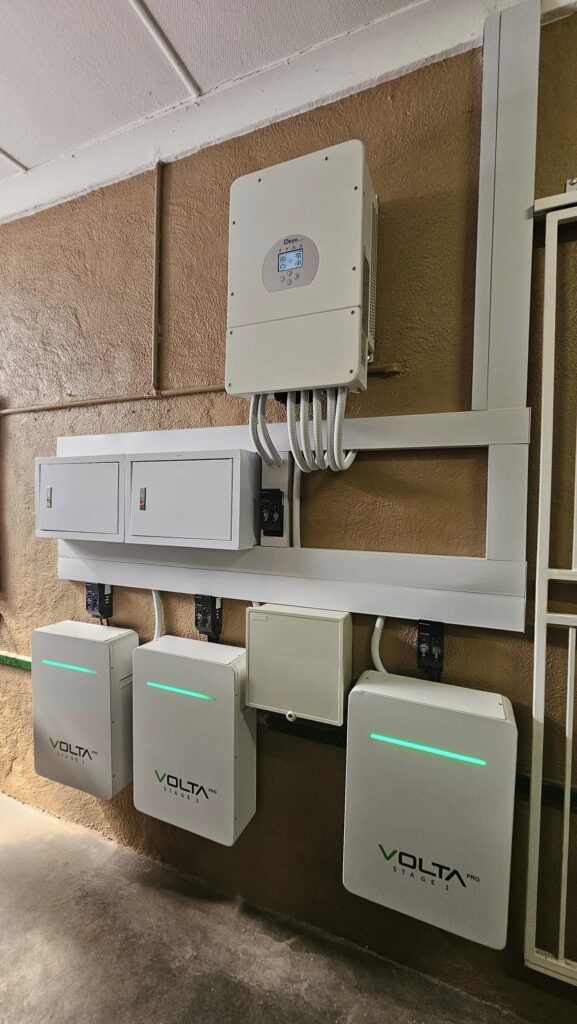
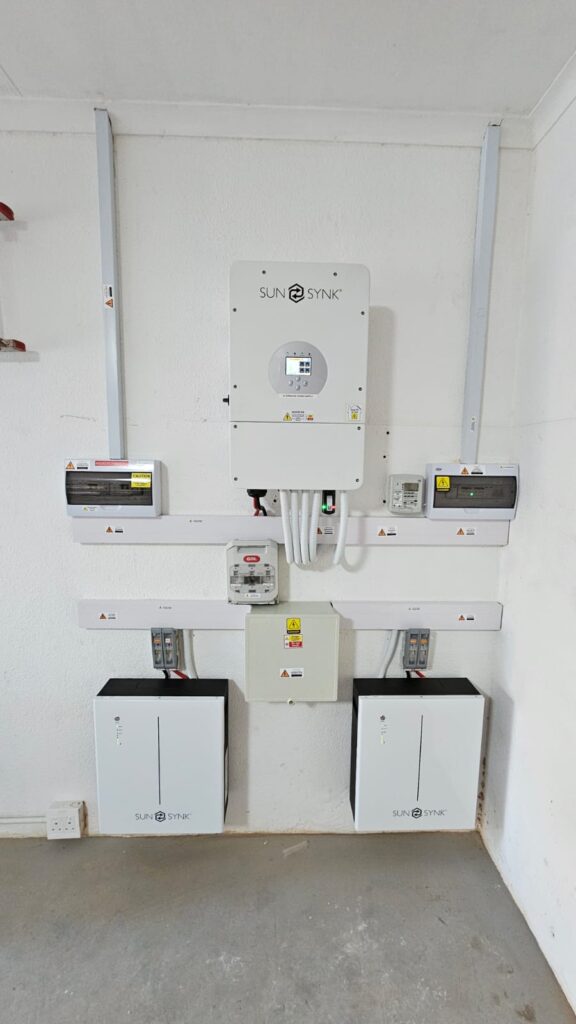
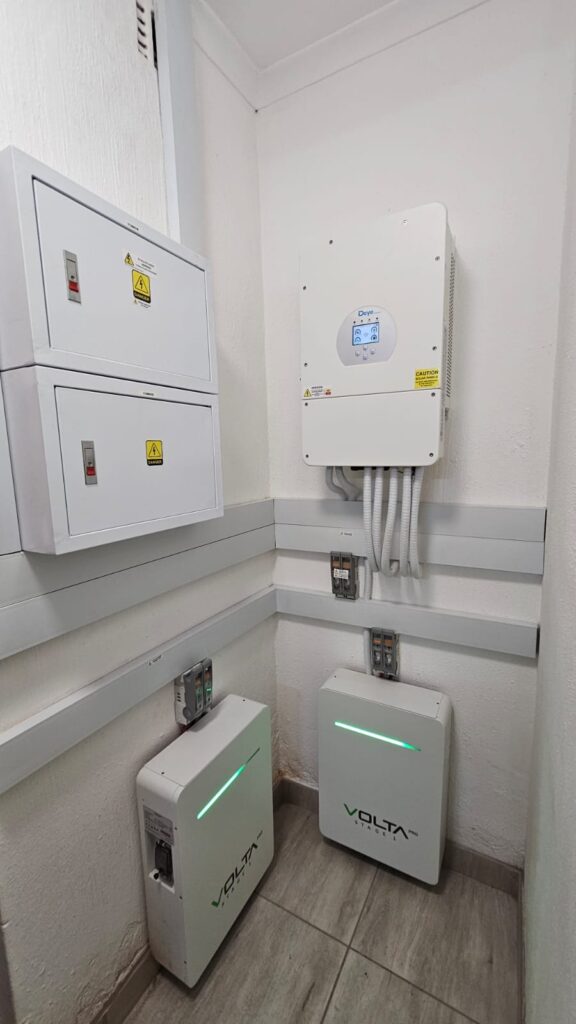
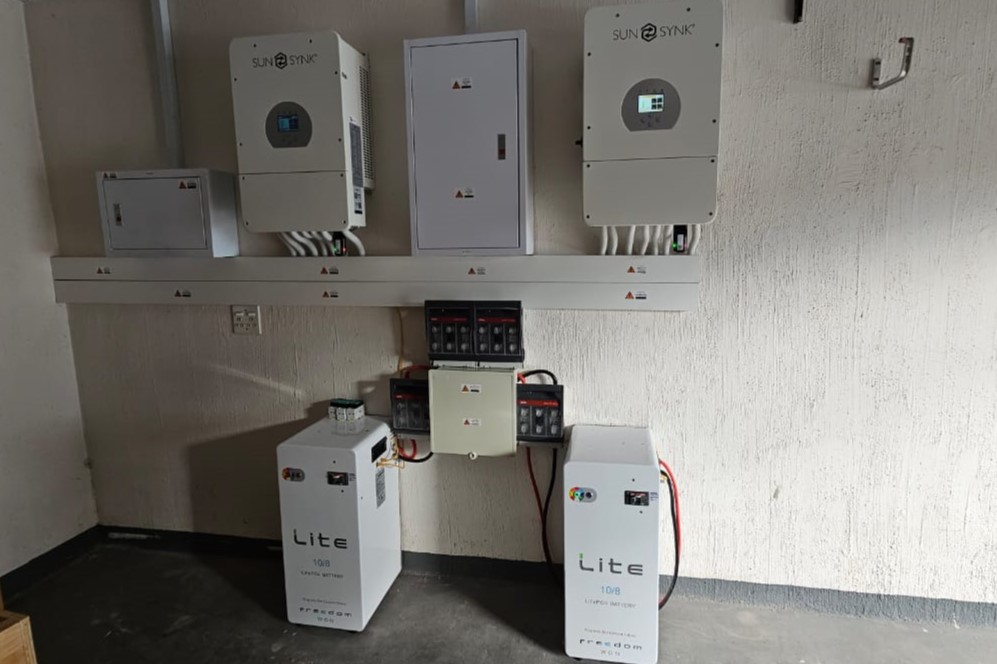
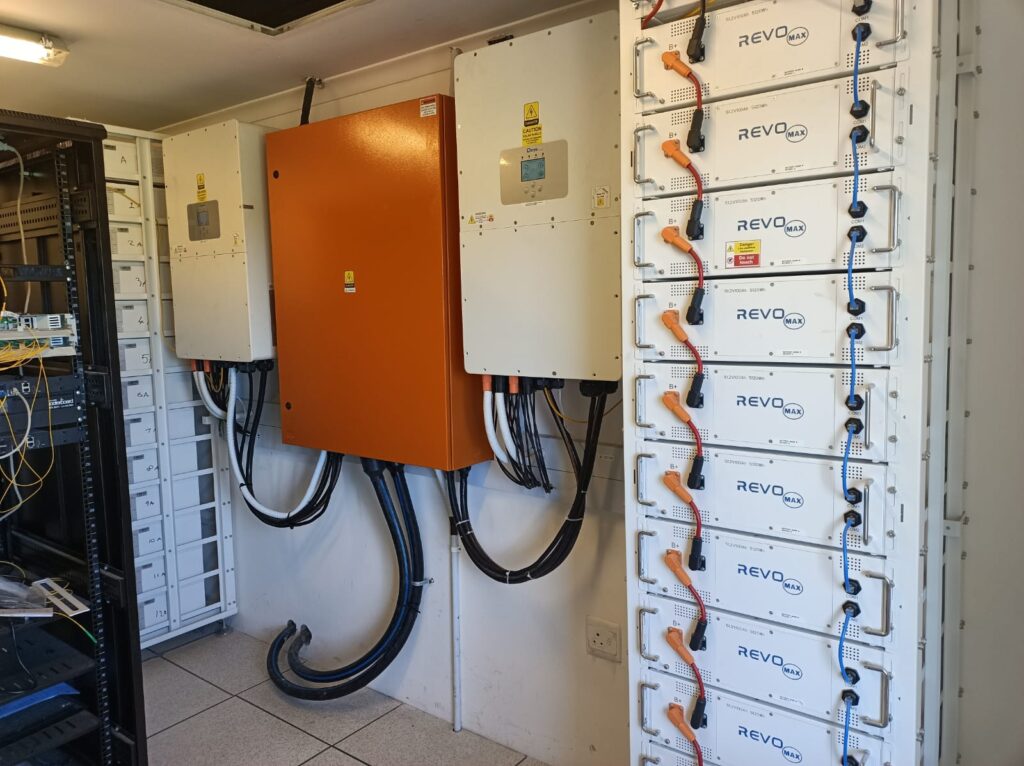
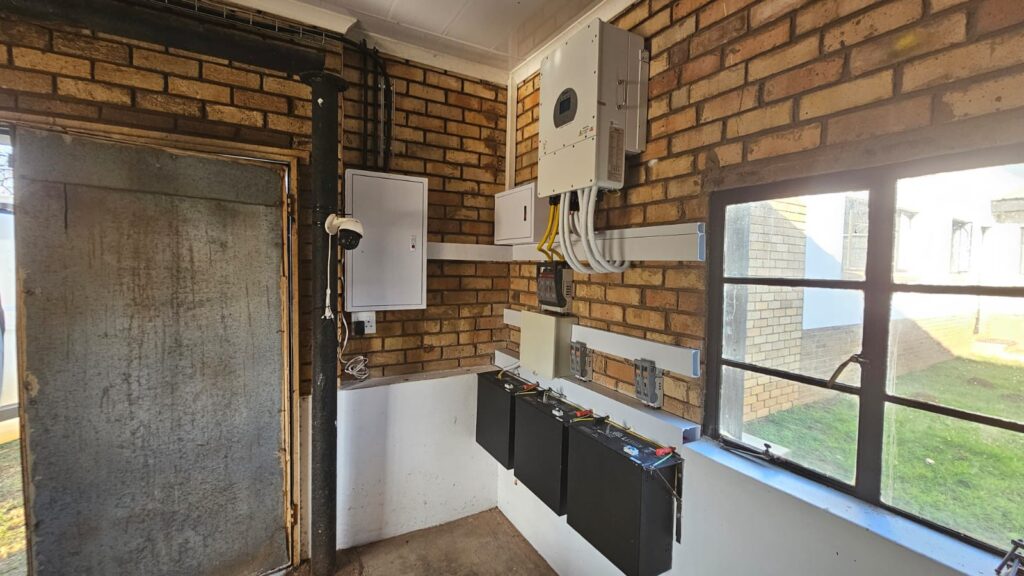
2. Inverter: Converts the DC electricity produced by the solar panels into alternating current (AC) electricity, which is used to power household appliances and electronics.
3. Mounting Structure: Securely holds the solar panels in place, ensuring optimal exposure to sunlight throughout the day.
4. Monitoring System: Tracks the performance of the solar PV system, providing real-time data on energy production and consumption.
Key Benefits of Solar Installation Systems
– Renewable Energy Source: Solar power is abundant and inexhaustible, reducing reliance on fossil fuels and lowering carbon emissions.
– Cost Savings: By generating your own electricity, you can reduce or eliminate electricity bills, depending on the size of your solar installation system and your energy consumption.
– Energy Independence: Solar systems provide a reliable source of electricity, especially in remote areas or during power outages, enhancing energy security.
– Environmental Impact: Solar energy is clean and silent, producing no greenhouse gas emissions or noise pollution during operation.
Types of Solar Installation Systems
– Grid-Tied Systems: Connect to the local utility grid, allowing you to sell excess electricity back to the grid through net metering or use it when solar production is low.
– Off-Grid Systems: Operate independently of the utility grid, typically used in remote areas where grid connection is impractical or costly.
– Hybrid Systems: Combine solar PV with battery storage systems to store excess energy for use during nighttime or cloudy days, maximizing self-consumption and energy independence.
When selecting a solar installation system, consider factors such as:
– Roof Orientation and Space: Ensure your roof or property has sufficient space and is oriented to maximize sunlight exposure.
– Energy Needs: Calculate your average daily energy consumption to determine the size and capacity of the solar PV system required.
– Financial Incentives: Explore available incentives, tax credits, and financing options that can help offset the upfront cost of installing solar panels.
Conclusion
Investing in a solar installation system is not just a decision for today; it’s an investment in a sustainable future. By harnessing the power of the sun, you can reduce your carbon footprint, save on energy costs, and contribute to a cleaner environment. Whether you’re a homeowner, business owner, or community leader, adopting solar energy is a proactive step towards energy independence and environmental stewardship. Embrace the sun’s limitless potential and embark on your journey towards a brighter, more sustainable tomorrow with solar installation systems.